From Super Individuals to Intelligent Organizations: How JD Retail R&D Is Rebuilding AI-Native Retail
Making individuals and departments faster with AI does not automatically make an organization smarter. The real gap lies in shared goals, business context, feedback loops, and leadership-driven organizational change.
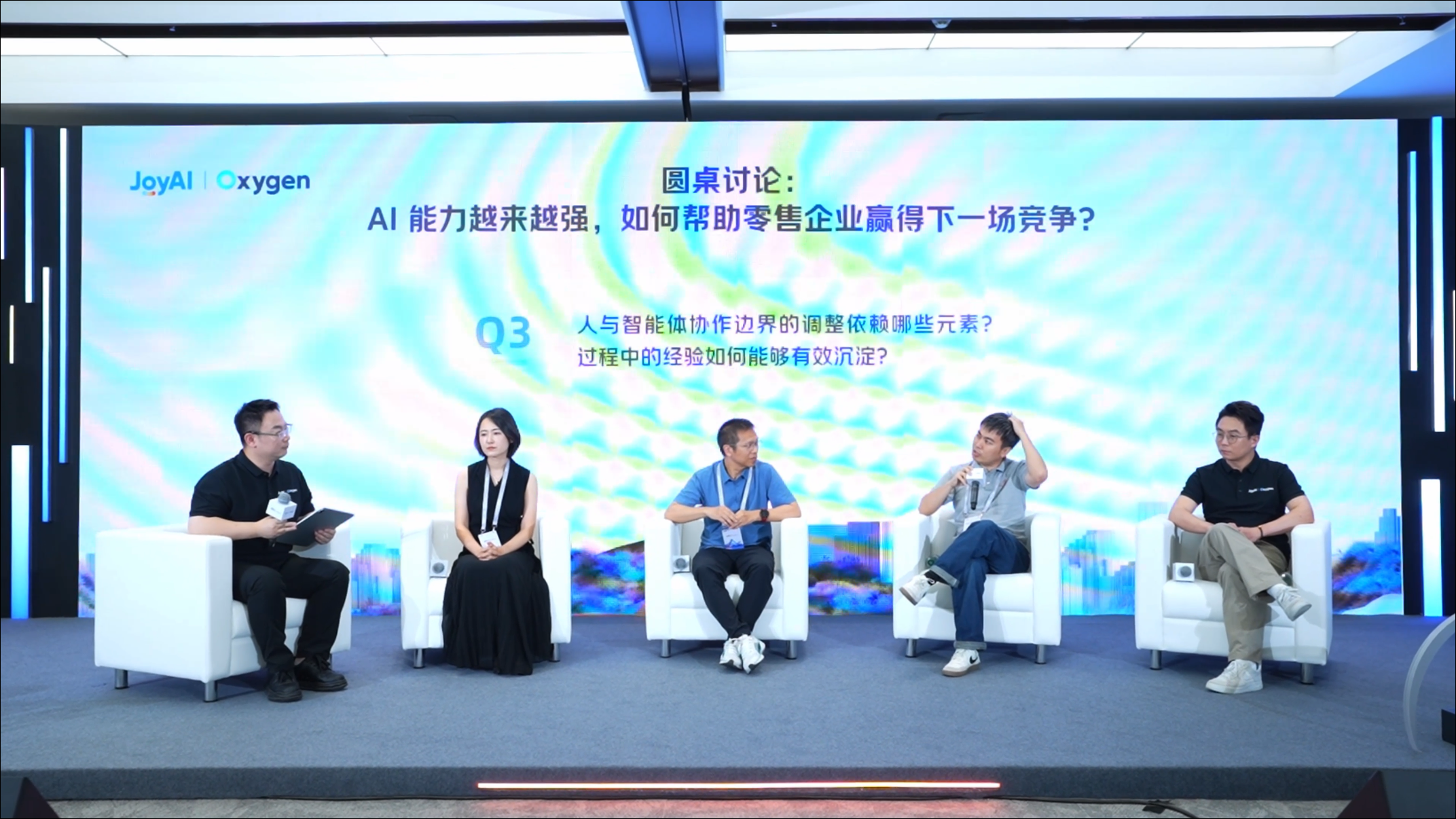
I once stopped an AI demo that was already running. The data had been connected, the Skills worked, and the output looked convincing. But roles, permissions, state, human confirmation, and the risks created by missing expert judgment were nowhere in the system. Later, at the JDD Retail Forum, I heard JD Retail R&D discuss a hypothetical: what if GMV had to grow by 10%? The two situations seemed to break down in much the same place.
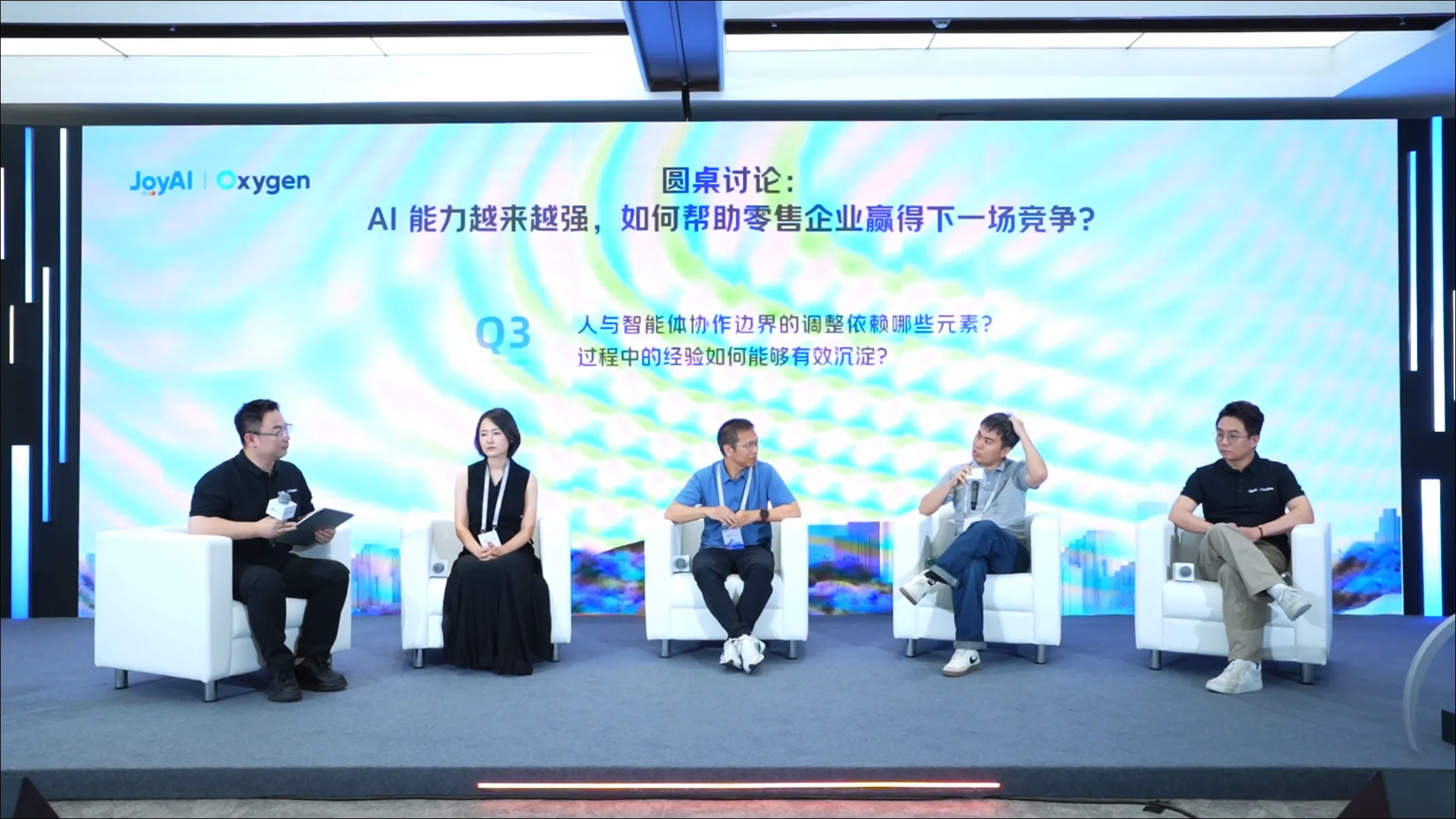
Every department has an answer. Why doesn’t the company?
In that hypothetical, AI could produce separate optimization plans for advertising, traffic, new products, and product-page presentation.
Each plan might make sense on its own. Put them together, however, and they could conflict. Every function can move faster against its own metric without the company moving toward a shared goal.
That is why I find this example more revealing than asking how many agents a company has deployed. AI can accelerate an individual action very quickly. The harder organizational problem is getting different actions to share the same goal—and the same boundaries they are not allowed to cross.
Take a longer historical view and the pattern becomes familiar. Every time companies adopt a major technology, organizational questions eventually follow. The forum compared the AI transition with the Industrial and Information Revolutions. The Industrial Revolution brought not only textile machines and steam engines, but also the factory system. The Information Revolution did more than put computers on employees’ desks: ERP and CRM reconnected orders, inventory, and customers. In the AI era, the model becomes another participant in collaboration, so the way a company makes decisions must change as well.
The model has an answer, but it doesn’t know about the promotion 30 days away
Suppose a product has been selling poorly. A model drawing on general business knowledge can quickly recommend a price cut. But it may not know that a major promotion is scheduled in 30 days. How much to discount now, how much to discount during the promotion, and how to keep the two actions from colliding are all embedded in the company’s own operating rhythm.
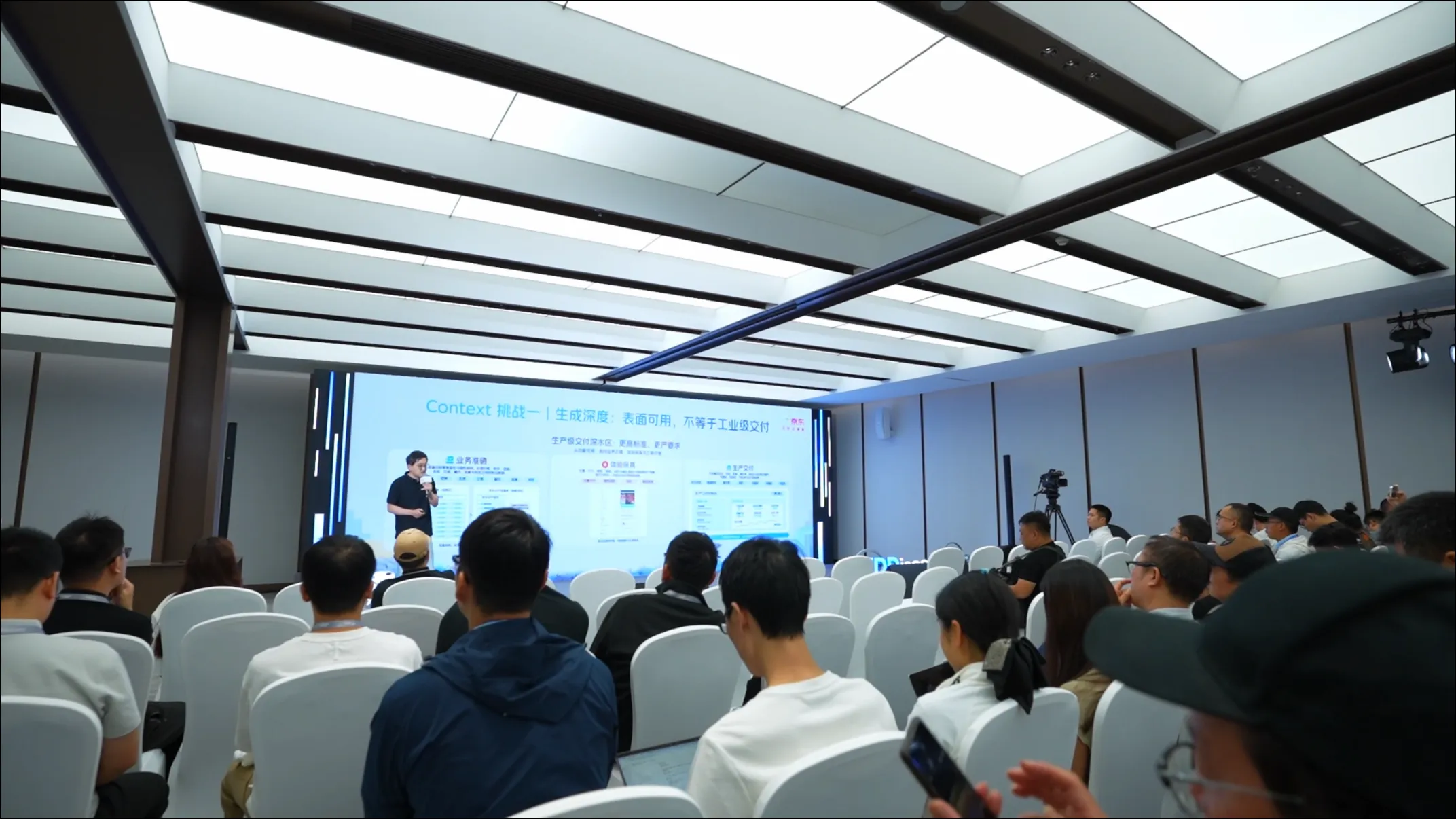
JD Retail R&D describes this kind of problem through three elements: Model, Context, and Learning Loop. The model supplies general capability. Enterprise context holds business experience and situational constraints. The feedback loop determines how quickly new experience enters the next decision.
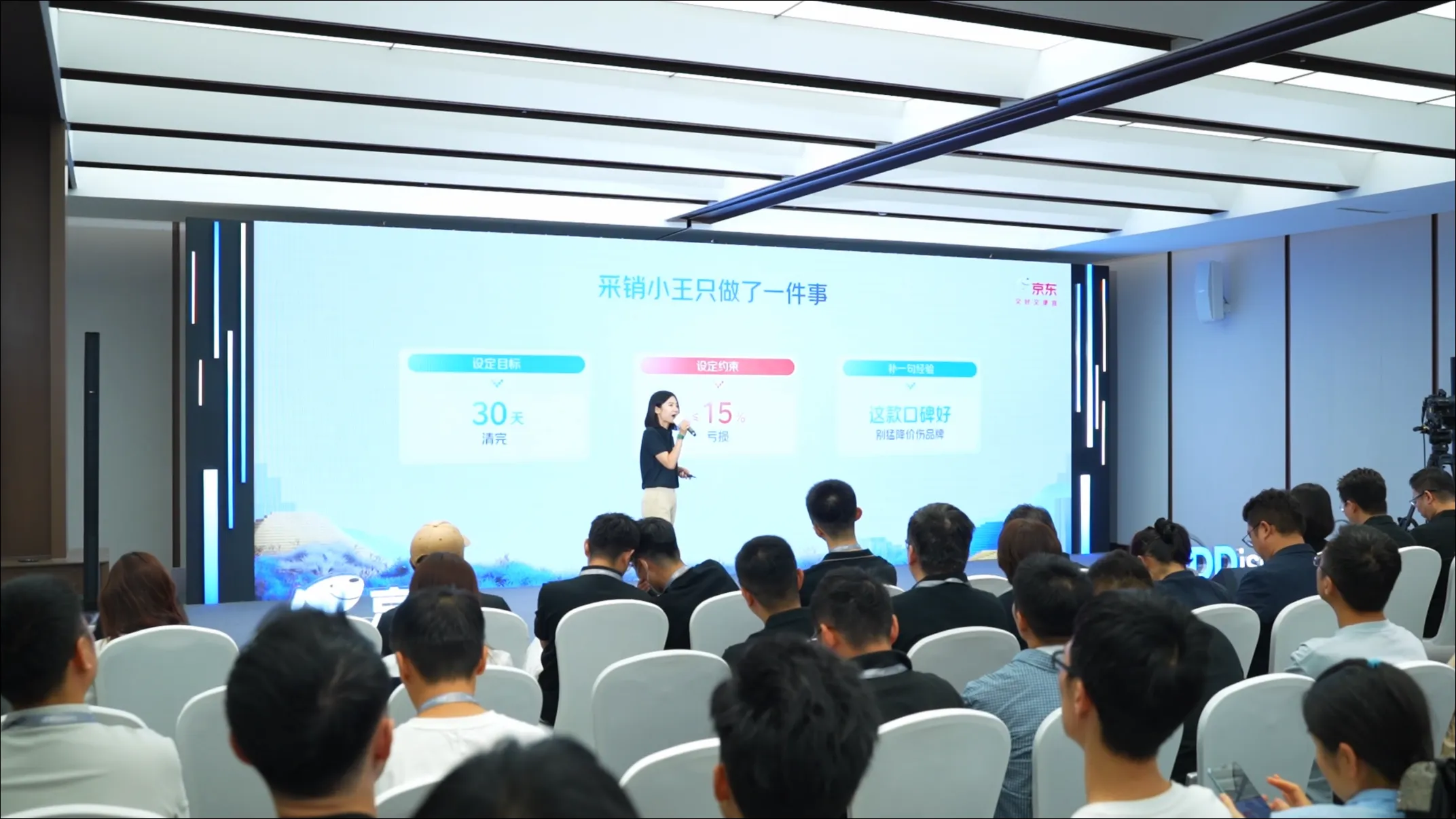
As the models available to different companies become more similar, the gap between those companies will depend on more than the model itself. The faster an organization can preserve frontline judgment, the better its AI can understand that organization’s business.
Preserve “this doesn’t make sense” for the next decision
JoyOxygenZERO, which JD Retail R&D is developing, offers a concrete example. The system generates a product proposal from the information already available. When a product manager sees something unreasonable, they can flag the problem—and must also explain why it is a problem.
Those judgments and explanations are written back into the system and help shape future Context. After the product goes live, the system updates that context as new versions are released. Experience produced by one piece of work can become the starting point for the next.
Companies have long written wikis and documented SOPs. The problem is that much of the experience is preserved only when someone makes time for a dedicated retrospective. Putting feedback back into the work itself shortens the distance between a frontline judgment and its reuse.
From one piece of feedback to organization-wide coordination
Keeping one judgment in the system is only the first step. Apply the same logic to software development and the broader problem becomes clearer. JD Retail R&D separates engineering productivity into “upstream engineering” and “downstream engineering.” Coding, evaluation, testing, and delivery are easier to standardize. Defining the requirement, designing the architecture, drawing system boundaries, and helping dozens of teams make decisions against one goal are much harder.
I later asked my own team to stop and redraw a system architecture. What the diagram was missing was all upstream work: who was responsible, what state each task was in, where human confirmation was mandatory, and how the system would expose risk when expert capability was absent. Only after those relationships were clear could an agent truly enter the business process.
That is why decision-making cannot be systematized simply by breaking a corporate goal into departmental KPIs and asking everyone to align in meetings. The organization needs to preserve shared goals and constraints at a higher level while continuously bringing real frontline situations back into the system. If JoyOxygenZERO focuses on how one piece of work can retain its experience, the organizational harness must solve the next problem: how to turn experience scattered across individuals and teams into organizational context that AI can call upon.
Professional expertise does not disappear in this process. AI can expand the range of work one person can cover, but there is still no standard answer for how those capabilities will recombine into new roles and new organizational forms.
Why AI Native is a CEO-level transformation
We still do not know exactly what future roles and organizations will look like. But the problems an organization must solve first are becoming clearer. Based on the practices JD Retail R&D shared at the JDD Retail Forum, a high-quality organization needs at least three things: aligned goals, a fast Learning Loop, and efficient execution.
This is why AI Native looks more like a CEO-level transformation. The person at the top must first answer what problem the company is actually trying to solve, what its core advantage is, which experience deserves to be preserved, and how different teams should collaborate. If the goal is unclear, the busier departmental AI becomes, the more coordination the organization may need.
AI can make an individual more capable. An organization becomes more intelligent through shared goals and feedback loops.
So when I look at a company’s AI implementation now, I start with one concrete question: if someone corrects an AI system today and explains why, can another team use that reasoning tomorrow? That tells me far more than the number of agents the company has installed.
Discussion